
Need help?
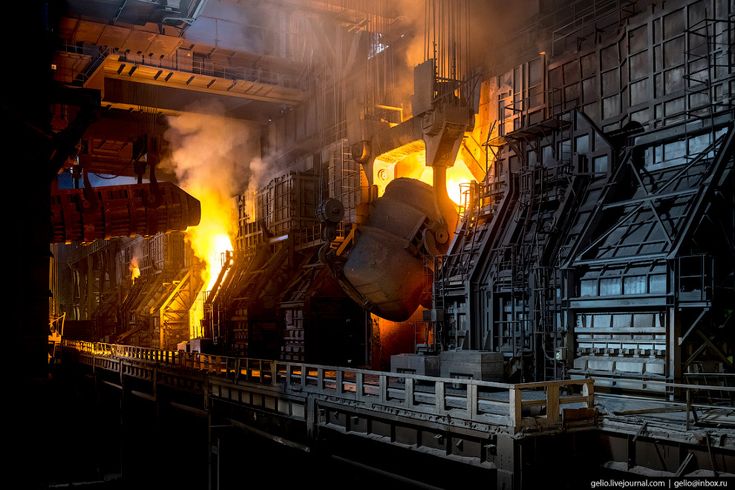
Introduction
Foundry automation has become a strategic imperative for every competitive industrial foundry operating in today’s global manufacturing landscape. As casting process complexity increases and customers demand tighter tolerances, shorter lead times, and full traceability, automation is no longer optional—it is essential. Modern metal casting facilities are integrating robotics, advanced control systems, digital monitoring, and data-driven quality control to achieve higher consistency, lower defect rates, and improved operational efficiency.
In heavy manufacturing sectors such as automotive, railways, energy, construction equipment, and infrastructure, procurement heads and plant managers are prioritizing suppliers that demonstrate technological maturity. Foundry automation enables an industrial foundry to deliver scalable production, repeatable casting process control, improved worker safety, and measurable sustainability improvements. This article provides an in-depth technical overview of foundry automation systems, their components, benefits, challenges, and future trends, with a focus on practical industrial implementation.
What Is Foundry Automation?
Foundry automation refers to the integration of automated machinery, robotics, control systems, sensors, data acquisition platforms, and intelligent software into the casting process to reduce manual intervention and improve consistency, productivity, and safety.
In a traditional metal casting environment, many operations—such as mold preparation, core placement, molten metal pouring, shakeout, fettling, inspection, and material handling—are labor-intensive and prone to variation. Through structured automation strategies, these processes can be standardized and optimized.
Core Objectives of Foundry Automation
- Improve casting quality and dimensional consistency.
- Increase production throughput and reduce cycle time.
- Minimize scrap rates and rework.
- Enhance worker safety in high-temperature environments.
- Reduce energy consumption and raw material waste.
- Enable real-time monitoring and data-driven decision-making.
Automation in the Casting Process: End-to-End Integration
Automation in an industrial foundry is most effective when implemented across the entire casting process rather than in isolated segments.
Automated Sand Preparation and Molding Lines
Automated sand plants utilize:
• Continuous sand mixers with PLC-based ratio control • Moisture sensors and real-time sand property monitoring • Automated mold conveyors • High-pressure molding machines
Consistent green sand properties are critical for dimensional accuracy and surface finish. Automated systems maintain precise control over:
• Moisture content • Permeability • Compactability • Temperature
This ensures stable mold strength and reduces casting defects such as blowholes and misruns.
[Insert Image: Fully automated green sand molding line with conveyor and molding machine]
Robotic Core Setting and Assembly
In high-volume metal casting operations, robotic arms are used to:
• Place cores accurately inside molds • Apply adhesives • Perform mold closing operations
Benefits include:
• Elimination of human error • Improved positional accuracy • Higher repeatability • Reduced ergonomic risks
Automated core setting is particularly valuable in automotive castings where internal passages must meet tight tolerances.
Automated Pouring Systems
Molten metal pouring is one of the most critical stages of the casting process. Automated pouring systems use:
• Temperature sensors • Weight-based dosing systems • Laser level detection • Servo-controlled ladles
These systems regulate:
• Pouring rate • Metal temperature • Filling time • Turbulence levels
Precise pouring minimizes shrinkage defects, cold shuts, and inclusions.
[Insert Image: Robotic automated pouring system transferring molten metal into molds]
Shakeout, Fettling, and Finishing Automation
After solidification, automated shakeout systems separate sand from castings. Robotics are used for:
• Grinding and fettling • Gate and riser removal • Surface cleaning • Shot blasting
These operations significantly reduce manual labor exposure to dust, vibration, and noise.
Quality Control and Inspection Automation
Advanced industrial foundry facilities incorporate automated quality control systems such as:
• Inline vision inspection systems • 3D scanning for dimensional verification • X-ray and CT scanning for internal defect detection • Spectrometers for chemical composition analysis
Integration of inspection data into centralized software allows traceability and statistical process control (SPC).
Digitalization and Smart Foundry Concepts
Foundry automation is increasingly aligned with Industry 4.0 principles. A smart industrial foundry integrates:
• IoT sensors • SCADA systems • MES (Manufacturing Execution Systems) • ERP integration • Real-time dashboards
Key Capabilities of a Smart Foundry
- Real-time monitoring of furnace temperature.
- Predictive maintenance for molding machines.
- Automated production scheduling.
- Energy consumption tracking.
- Scrap rate analysis and root cause identification.
Sample Technical Calculation: Pouring Rate Optimization
To maintain laminar flow and minimize turbulence in gravity casting, pouring rate must be controlled.
Basic calculation example:
Given: Density of molten iron (ρ) = 7200 kg/m³ Cross-sectional area of sprue (A) = 0.0005 m² Desired velocity (v) = 0.8 m/s
Mass flow rate (ṁ) = ρ × A × v
ṁ = 7200 × 0.0005 × 0.8 ṁ = 2.88 kg/s
An automated pouring control system can be programmed to maintain approximately 2.9 kg/s flow rate to ensure consistent mold filling. This simple control parameter, when automated, reduces variability across thousands of castings.
Energy Efficiency and Sustainability in Foundry Automation
Energy consumption is one of the largest cost components in metal casting operations. Foundry automation contributes to sustainability in several ways:
Furnace Optimization
• Automated charge calculations • Controlled melting cycles • Real-time temperature feedback • Reduced overheating
These controls decrease energy waste and improve melt yield.
Material Optimization
Automated systems help optimize:
• Gating design • Riser dimensions • Yield improvement
Reduced scrap directly lowers raw material consumption and carbon footprint.
Emission Control Integration
Automated dust collection systems and fume extraction units are integrated with:
• Pressure sensors • Filter monitoring systems • Automated cleaning cycles
This ensures compliance with environmental regulations and improves workplace air quality.
[Insert Image: Industrial foundry control room with digital monitoring screens and SCADA systems]
Benefits of Foundry Automation for Industrial Buyers
Manufacturing engineers and procurement heads increasingly evaluate suppliers based on automation capabilities.
Key Advantages for Buyers:
- Consistent casting quality with low rejection rates.
- Shorter lead times.
- Scalable production capacity.
- Enhanced traceability and documentation.
- Predictable pricing due to stable production costs.
- Compliance with international quality standards.
Automation enables tighter process control, which directly translates into reliable mechanical properties and dimensional accuracy.
Challenges in Implementing Foundry Automation
Despite its advantages, foundry automation requires careful planning.
High Initial Investment
Robotic systems, PLCs, SCADA platforms, and automated molding lines require significant capital expenditure. However, ROI is typically realized through:
• Labor savings • Reduced scrap • Increased throughput • Energy efficiency
Integration with Legacy Equipment
Older industrial foundry facilities may operate with outdated machines. Integration challenges include:
• Communication protocol compatibility • Mechanical retrofitting constraints • Limited space
Solution: phased automation with modular upgrades.
Skill Gap and Workforce Adaptation
Automation shifts workforce requirements from manual operators to:
• Control system technicians • Data analysts • Maintenance engineers
Structured training programs are critical for successful transition.
Case Applications of Foundry Automation
Automotive Industry
Automotive OEMs demand:
• High-volume production • Tight dimensional tolerances • Zero-defect quality systems
Foundry automation ensures repeatability in engine blocks, cylinder heads, brake components, and transmission housings.
Heavy Equipment and Infrastructure
Large castings for:
• Construction machinery • Wind turbine hubs • Rail components
require precise pouring control and automated inspection systems to avoid costly failures.
Energy Sector
Power generation components require:
• High-integrity castings • Metallurgical consistency • Traceability documentation
Automation supports digital record-keeping and quality control compliance.
Future Trends in Foundry Automation
Artificial Intelligence in Process Optimization
AI algorithms analyze:
• Historical defect data • Temperature fluctuations • Sand property variations
The system predicts defect formation and suggests corrective actions before production losses occur.
Digital Twin Technology
Digital twin models simulate the casting process to:
• Optimize gating systems • Predict solidification behavior • Reduce trial-and-error prototyping
Collaborative Robotics (Cobots)
Cobots assist workers in:
• Light assembly tasks • Inspection • Surface finishing
These systems enhance productivity without replacing human oversight.
Advanced Data Analytics
Big data platforms consolidate information from:
• Furnaces • Molding machines • Pouring units • Inspection systems
This data enables continuous improvement and lean manufacturing initiatives.
Roadmap for Implementing Foundry Automation
For plant managers considering automation, a structured roadmap is recommended:
- Conduct a comprehensive process audit.
- Identify high-impact bottlenecks.
- Evaluate ROI for each automation stage.
- Implement pilot projects.
- Integrate centralized data management.
- Train workforce.
- Monitor KPIs and refine systems.
KPIs for Measuring Automation Success
• Scrap rate percentage • Cycle time per casting • Energy consumption per ton • Labor cost per unit • On-time delivery rate • Overall Equipment Effectiveness (OEE)
Conclusion
Foundry automation is redefining the capabilities of the modern industrial foundry. By integrating robotics, intelligent control systems, real-time monitoring, and advanced quality control, metal casting operations can achieve unprecedented levels of precision, efficiency, and sustainability. For manufacturing engineers and procurement leaders, partnering with an automated foundry ensures reliability, scalability, and compliance with global standards.
As heavy manufacturing industries continue to demand higher performance and shorter lead times, foundry automation will remain a decisive competitive advantage. Companies that invest in automation today position themselves for long-term growth, improved profitability, and technological leadership in the global casting process market.
The future of metal casting lies in intelligent systems, digital integration, and data-driven decision-making. An industrial foundry that embraces automation not only improves operational performance but also strengthens its position as a trusted supplier in demanding industrial ecosystems.
Loading...
Loading comments...
Add a Comment
Join the Conversation
Share your thoughts on this article. Your email address will not be published. Authentication is handled securely via Google.