
Need help?
Introduction
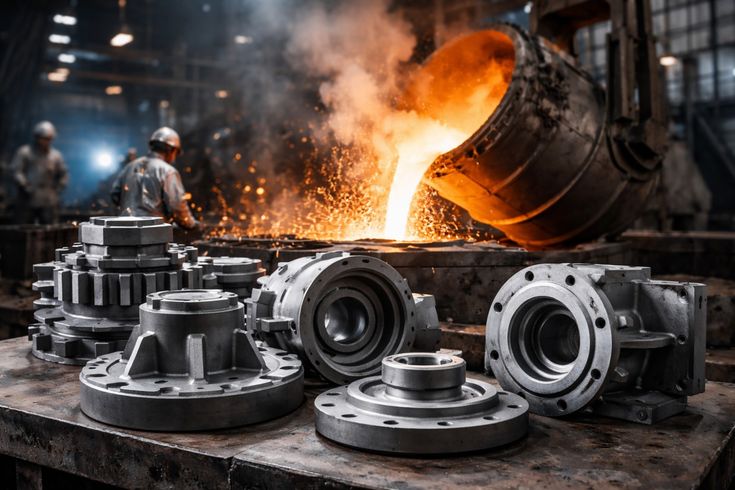
The industrial casting process is the backbone of heavy manufacturing, enabling the production of complex metal components used in automotive, infrastructure, railways, power generation, mining, oil and gas, and heavy equipment industries. In a modern industrial foundry, the casting process has evolved into a highly controlled, technology-driven operation that combines metallurgy, mechanical engineering, and automation to deliver precision-engineered metal castings.
For manufacturing engineers, plant managers, and procurement heads, understanding the industrial casting process is essential when evaluating suppliers and ensuring component reliability. This detailed technical guide explains each stage of the casting process, explores different metal casting methods, highlights quality control practices, and examines how industrial foundries achieve efficiency, consistency, and sustainability in large-scale production.
What Is the Industrial Casting Process?
The industrial casting process involves pouring molten metal into a mold cavity that replicates the geometry of the desired component. After solidification, the metal part is removed, cleaned, inspected, and finished according to engineering specifications.
Unlike machining from solid billets, metal casting allows the production of:
• Complex internal cavities • Intricate geometries • Large structural components • High-strength load-bearing parts
The industrial casting process is widely used because it offers design flexibility, cost efficiency in high volumes, and excellent mechanical performance when properly controlled.
Key Stages of the Industrial Casting Process
Pattern Design and Engineering
The casting process begins with detailed engineering design and pattern development. Engineers must account for:
• Shrinkage allowance • Draft angles • Machining allowance • Distortion factors • Gating and riser design
Modern industrial foundries use CAD and simulation software to model metal flow and solidification behavior before physical production begins.
[Insert Image: CAD simulation of molten metal flow in casting mold]
Pattern materials may include:
• Wood (low volume) • Aluminum (medium volume) • Cast iron or steel (high volume)
Accurate pattern design directly impacts dimensional stability and casting quality.
Mold Preparation
The mold forms the external shape of the casting. In sand casting, the most widely used industrial casting process, green sand or chemically bonded sand systems are used.
Typical mold preparation steps include:
- Sand mixing with binders and additives
- Compaction around the pattern
- Core placement (if internal cavities are required)
- Mold assembly and alignment
Critical parameters in mold preparation:
• Sand moisture content • Grain size distribution • Permeability • Mold hardness
Automated molding lines in a modern industrial foundry ensure consistency in these parameters.
Melting and Metal Preparation
Melting is one of the most energy-intensive stages of the casting process. Depending on material requirements, foundries use:
• Induction furnaces • Cupola furnaces • Electric arc furnaces
Molten metal chemistry must meet strict specifications. Spectrometers are used to analyze:
• Carbon content • Silicon • Manganese • Sulfur • Alloying elements
Temperature control is critical. Overheating increases oxidation and energy consumption, while underheating causes misruns and cold shuts.
Pouring and Solidification
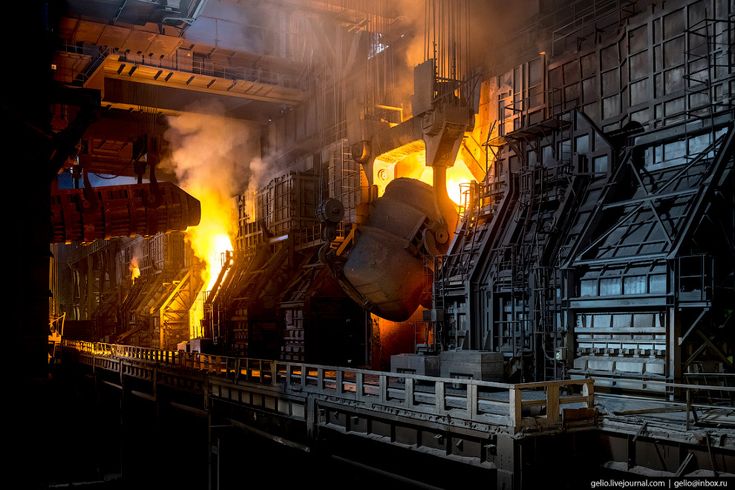
During pouring, molten metal flows through the gating system into the mold cavity. Key factors influencing casting integrity:
• Pouring temperature • Flow velocity • Turbulence control • Mold filling time
Improper pouring can cause defects such as:
• Gas porosity • Shrinkage cavities • Inclusions • Cold shuts
Solidification dynamics are controlled by risers and chills to direct shrinkage away from critical sections.
[Insert Image: Molten metal pouring into sand mold in industrial foundry]
Shakeout and Cleaning
After solidification:
• Molds are broken during shakeout • Sand is reclaimed • Gates and risers are removed • Surface cleaning is performed
Shot blasting removes sand particles and scale from the casting surface.
Finishing and Machining
Many industrial castings require:
• CNC machining • Drilling and tapping • Surface finishing • Coating or painting
Precision machining ensures compliance with dimensional tolerances required by OEM customers.
Types of Metal Casting Processes Used in Industrial Foundries
Sand Casting
The most versatile industrial casting process. Suitable for:
• Large components • Complex shapes • Ferrous and non-ferrous alloys
Advantages:
• Low tooling cost • Flexible production volumes • Suitable for heavy castings
Investment Casting
Used for high-precision components requiring:
• Excellent surface finish • Tight dimensional tolerances • Complex geometries
Common in aerospace and high-performance automotive parts.
Die Casting
High-pressure injection of molten metal into steel molds. Suitable for:
• Aluminum and zinc components • High-volume production • Thin-walled parts
Shell Molding
Improved surface finish compared to green sand. Frequently used for automotive components.
Quality Control in the Industrial Casting Process
Quality control is integrated at every stage of the casting process.
Incoming Raw Material Inspection
• Scrap segregation • Alloy certification • Chemical verification
In-Process Monitoring
• Temperature logging • Sand property testing • Mold hardness measurement
Non-Destructive Testing (NDT)
Industrial foundries use:
• Ultrasonic testing • Magnetic particle inspection • Dye penetrant testing • Radiographic testing
Dimensional Inspection
CMM (Coordinate Measuring Machines) ensure dimensional compliance.
[Insert Image: Quality control inspection of metal casting using coordinate measuring machine]
Sample Technical Calculation: Solidification Time Estimation
Chvorinov’s Rule is commonly used to estimate solidification time:
t = B × (V/A)^2
Where: t = solidification time B = mold constant V = volume of casting A = surface area
Example:
Assume: V = 0.01 m³ A = 0.2 m² B = 4
t = 4 × (0.01 / 0.2)^2 t = 4 × (0.05)^2 t = 4 × 0.0025 t = 0.01 time units
By optimizing V/A ratio, engineers can reduce shrinkage defects and improve yield.
Common Casting Defects and Solutions
Gas Porosity
Cause: • Excess moisture • Poor venting
Solution: • Improve sand permeability • Control pouring temperature
Shrinkage Defects
Cause: • Improper riser design
Solution: • Use simulation tools • Optimize feeder size
Inclusions
Cause: • Slag contamination
Solution: • Use ceramic filters • Maintain clean melting practices
Industrial Applications of the Casting Process
Automotive Sector
Components produced:
• Engine blocks • Brake calipers • Transmission housings
Heavy Machinery
Cast parts include:
• Excavator housings • Crusher components • Gearbox casings
Energy and Power
Applications include:
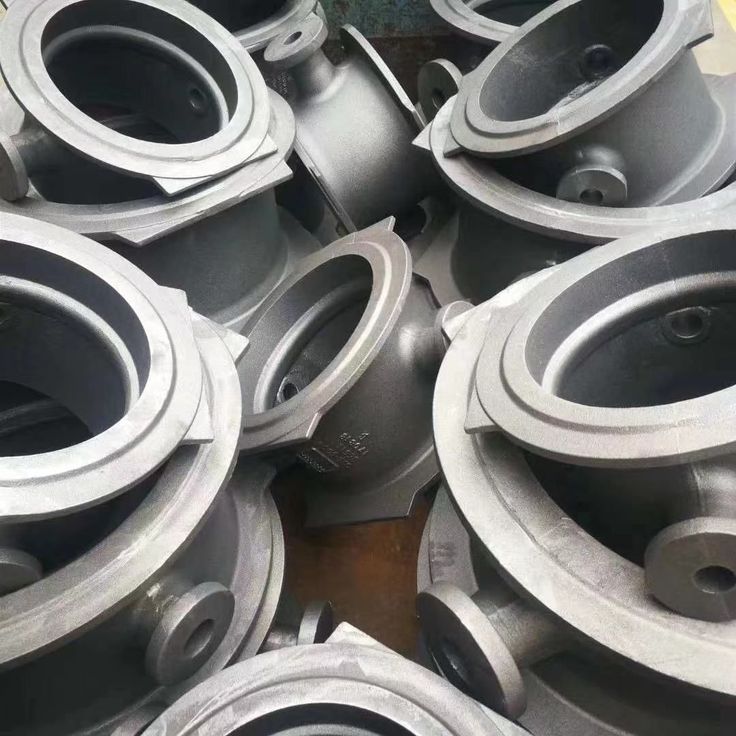
• Turbine housings • Pump bodies • Valve components
Railway and Infrastructure
• Brake systems • Couplings • Structural brackets
Sustainability in the Industrial Casting Process
Energy Efficiency
• Induction furnace optimization • Waste heat recovery • Automated temperature control
Sand Reclamation
Modern industrial foundries reclaim up to 90–95 percent of used sand, reducing waste and raw material costs.
Emission Reduction
• Dust collection systems • Fume extraction • Filtration technologies
Recycling Integration
Metal casting inherently supports circular economy principles by reusing scrap metal.
Future Trends in the Industrial Casting Process
Digital Simulation and AI
Simulation software predicts:
• Metal flow behavior • Hot spots • Defect formation
AI-driven systems analyze historical casting data for process optimization.
Automation Integration
Robotic pouring systems and automated inspection enhance repeatability and reduce manual handling.
Lightweight Alloys
Growing demand for:
• High-strength aluminum • Ductile iron • Advanced alloy steels
These materials support weight reduction initiatives in automotive and energy sectors.
Why Industrial Buyers Should Choose a Technologically Advanced Foundry
Manufacturing engineers and procurement heads benefit from selecting an industrial foundry that demonstrates:
• Process stability • Certified quality systems • In-house testing laboratories • Advanced automation • Strong metallurgical expertise
A controlled casting process reduces risk of field failures and improves long-term reliability.
Conclusion
The industrial casting process remains one of the most versatile and essential manufacturing methods in heavy industry. From raw material selection to final inspection, every stage requires technical expertise, precision control, and rigorous quality assurance.
Modern industrial foundries combine metallurgical science, automation, and data-driven quality control to deliver reliable, high-performance metal castings. As industries demand lighter, stronger, and more complex components, the casting process continues to evolve through innovation, sustainability initiatives, and digital integration.
For organizations seeking dependable metal casting partners, understanding the depth and discipline behind the industrial casting process provides confidence in supplier selection. In today’s competitive manufacturing environment, a technologically advanced foundry is not just a supplier—it is a strategic production partner.
Loading...
Loading comments...
Add a Comment
Join the Conversation
Share your thoughts on this article. Your email address will not be published. Authentication is handled securely via Google.