
Need help?
Introduction
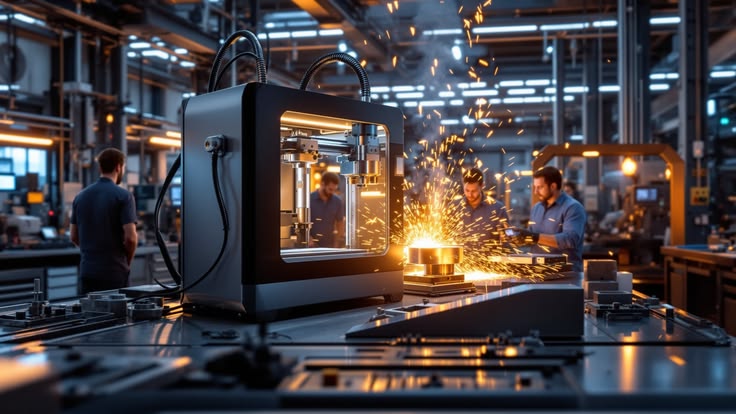
The global manufacturing industry is rapidly evolving, and the foundry sector is no exception. Smart foundry automation is transforming traditional metal casting operations into data-driven, high-efficiency production systems. With the integration of robotics, IoT sensors, artificial intelligence, and advanced monitoring systems, modern foundries are achieving unprecedented levels of precision, safety, and productivity.
Industrial casting companies that adopt smart automation technologies gain a competitive advantage by reducing defects, minimizing downtime, and optimizing energy consumption.
What is Smart Foundry Automation?
Smart foundry automation refers to the integration of advanced technologies such as robotics, machine learning, and real-time data analytics into the casting process. It enables foundries to automate repetitive tasks, monitor furnace conditions, control pouring accuracy, and ensure consistent product quality.
Unlike traditional foundries that rely heavily on manual operations, smart foundries operate through interconnected systems that communicate in real time.
Image Placeholder
[Insert Image: Robotic Arm Handling Molten Metal in Foundry]
Core Technologies Used in Smart Foundries
1. Industrial Robotics
Robotic arms are used for mold handling, metal pouring, grinding, and finishing operations. This improves consistency and significantly reduces workplace hazards.
2. IoT Sensors and Real-Time Monitoring
Sensors monitor:
- Furnace temperature
- Metal composition
- Pouring speed
- Mold pressure
- Cooling rates
This data helps prevent casting defects such as porosity, shrinkage, and cracks.
3. Artificial Intelligence for Defect Detection
AI-powered systems analyze casting images and identify microscopic defects faster than human inspectors.
4. Automated Pouring Systems
Precision pouring systems reduce metal wastage and ensure uniform filling of molds.
Benefits of Smart Automation in Foundries
- Increased Production Efficiency
- Reduced Human Error
- Lower Operational Costs
- Improved Workplace Safety
- Better Quality Control
- Reduced Material Waste
Automation also allows foundries to scale production without proportionally increasing labor costs.
Image Placeholder
[Insert Image: Smart Foundry Control Room with Monitoring Screens]
Energy Efficiency and Sustainability
Modern smart foundries focus heavily on energy optimization. Induction furnaces with automated control systems adjust power usage based on real-time temperature requirements.
Sustainable initiatives include:
- Recycling scrap metal
- Heat recovery systems
- Dust and emission control units
- Water recycling systems
These measures reduce environmental impact while improving operational efficiency.
Technical Workflow of an Automated Foundry
- Digital Pattern Design using CAD software
- Automated Mold Production
- Furnace Charging and Temperature Monitoring
- Precision Metal Pouring
- Controlled Cooling Process
- Robotic Finishing and Surface Treatment
- AI-Based Quality Inspection
This structured workflow minimizes variability and enhances repeatability in casting production.
Industrial Applications
Smart foundries serve multiple industries, including:
- Automotive manufacturing
- Aerospace components
- Heavy machinery
- Railway infrastructure
- Oil and gas equipment
- Renewable energy systems
The demand for precision casting in these industries is driving rapid adoption of automation technologies.
Challenges in Implementing Smart Foundry Systems
While automation provides significant benefits, there are challenges such as:
- High initial investment cost
- Requirement of skilled technical workforce
- Integration with legacy systems
- Cybersecurity risks in connected systems
However, long-term ROI typically outweighs the upfront investment.
Image Placeholder
[Insert Image: 3D Printed Sand Mold for Industrial Casting]
Future Trends in Foundry Automation
The future of foundries will likely include:
- Fully autonomous production lines
- AI-driven predictive maintenance
- 3D printed molds for rapid prototyping
- Digital twin technology for simulation
- Blockchain-based supply chain tracking
Industry 4.0 is redefining the casting industry, making foundries more intelligent and interconnected than ever before.
Conclusion
Smart foundry automation represents the future of industrial casting. By integrating robotics, artificial intelligence, IoT monitoring, and sustainable practices, modern foundries are improving efficiency, reducing costs, and meeting global quality standards.
Companies that invest in automation today are positioning themselves as leaders in next-generation manufacturing.
Loading...
Loading comments...
Add a Comment
Join the Conversation
Share your thoughts on this article. Your email address will not be published. Authentication is handled securely via Google.