
Need help?
Introduction
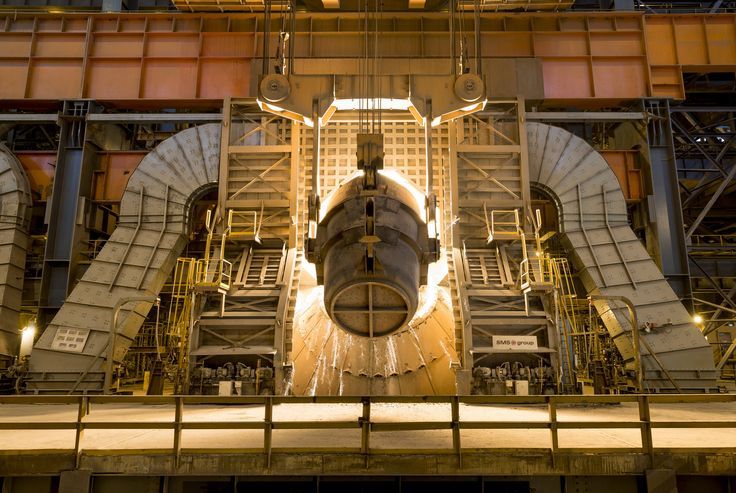
Foundry plays a critical role in modern industrial development. From automotive components to heavy machinery, foundries are responsible for producing complex metal castings that power global infrastructure.
In simple terms, a foundry is a facility where metal is melted and poured into molds to create specific shapes. These shapes later become machine parts, tools, construction materials, and more.
What is a Foundry?
A foundry is an industrial plant that produces metal castings by melting metal, pouring it into molds, and allowing it to solidify into desired shapes.
The most common metals used in foundries include:
- Cast Iron
- Steel
- Aluminum
- Brass
- Bronze
Each metal has different properties and applications.
Types of Foundries
1. Iron Foundry
Produces cast iron components widely used in automotive and heavy equipment industries.
2. Steel Foundry
Manufactures steel castings that require high strength and durability.
3. Non-Ferrous Foundry
Produces castings from metals that do not contain iron, such as aluminum and copper alloys.
The Foundry Process Step-by-Step
1. Pattern Making
A pattern is created to form the shape of the casting.
2. Mold Preparation
The mold is prepared using sand or other materials.
3. Melting
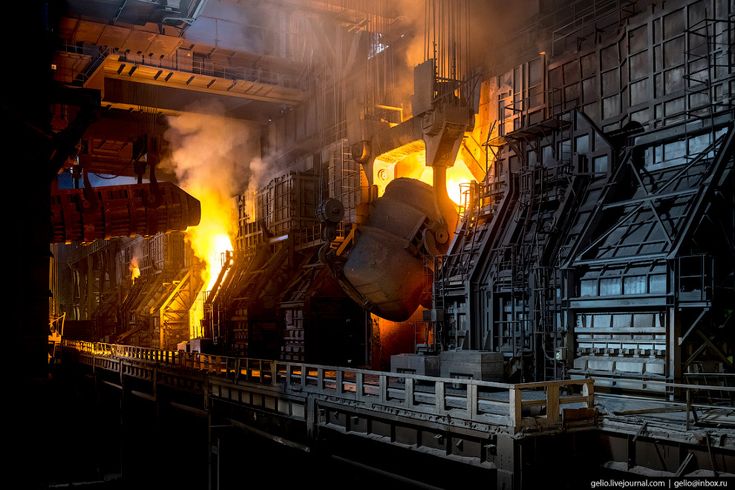
Metal is melted in a furnace at high temperatures.
4. Pouring
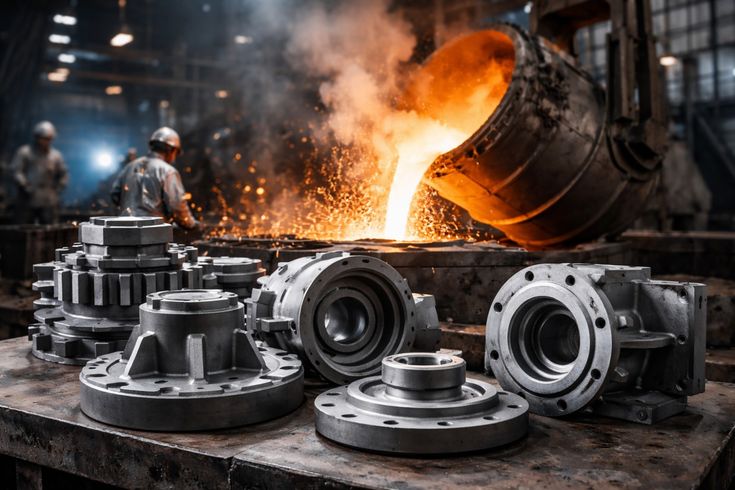
Molten metal is poured into the mold cavity.
5. Cooling & Solidification
The metal cools and solidifies into the final shape.
6. Cleaning & Finishing
Excess material is removed and finishing processes are applied.
Advantages of Foundry Casting
- Cost-effective for mass production
- Suitable for complex shapes
- Wide range of material options
- Strong and durable products
Common Applications
Foundry products are used in:
- Automotive engine blocks
- Railway components
- Construction equipment
- Agricultural machinery
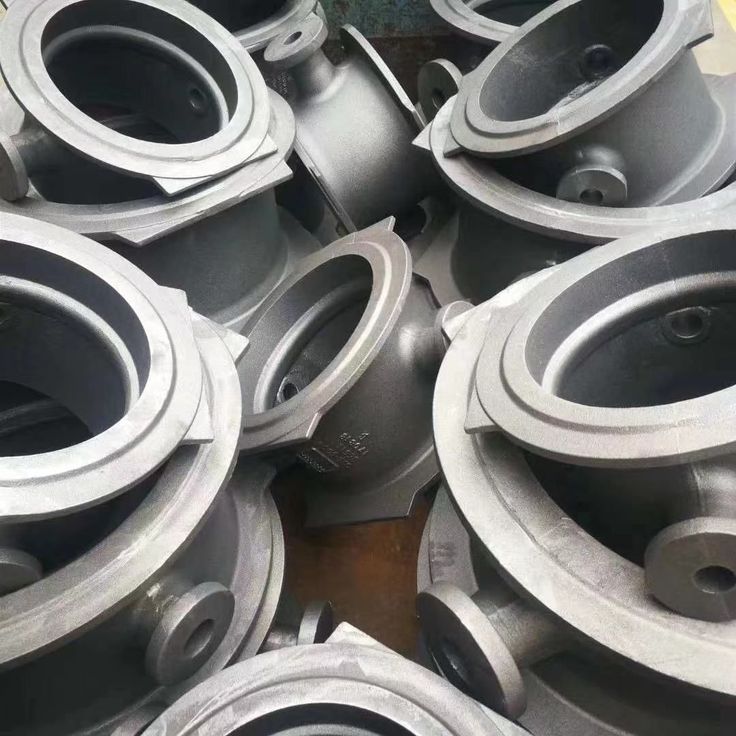
- Industrial pumps and valves
Environmental Considerations
Modern foundries are adopting eco-friendly practices such as:
- Recycling scrap metal
- Using energy-efficient furnaces
- Reducing emissions
- Implementing waste management systems
Challenges in Foundry Industry
- High energy consumption
- Skilled labor shortage
- Environmental regulations
- Raw material price fluctuations
Future of Foundries
The future of foundries lies in:
- Automation
- AI-based quality inspection
- 3D printed molds
- Sustainable production systems
Industry 4.0 technologies are transforming traditional foundry operations into smart manufacturing facilities.
Sample Temperature Calculation (Example Code Block)
Here is a simple example of how melting temperature might be represented in a system:
const meltingTemperature = {
  castIron: 1200,
  steel: 1370,
  aluminum: 660,
  brass: 930
};

console.log("Steel melts at " + meltingTemperature.steel + "°C");
Conclusion
Foundries remain the backbone of industrial manufacturing. Despite challenges, continuous technological advancements are making foundries more efficient, sustainable, and competitive in the global market.
As industries grow and infrastructure expands, the importance of modern foundry operations will continue to rise.
Loading...
Loading comments...
Add a Comment
Join the Conversation
Share your thoughts on this article. Your email address will not be published. Authentication is handled securely via Google.